
Government-Supported Pet Assistance Programs for Senior Pet Owners and Affordable Pet Insurance Guide (2026)
As pet costs continue to rise across the United States, keeping a pet can become an unbearable burden for seniors and low-income families. Fortunately, government-supported pet assistance programs and an expanding range of affordable pet insurance products are helping to alleviate this pressure. Assistance programs provide veterinary care, vaccinations, spay/neuter surgeries, pet food, and more!
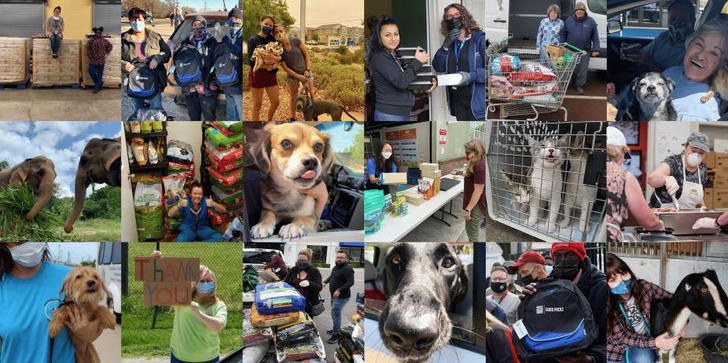
Seniors and low-income individuals have many affordable options—many offer flexible plans and senior discounts, and they can also apply for government-funded pet assistance programs, which can significantly reduce monthly expenses and help them afford emergency medical costs.
This guide will provide detailed information on available affordable pet insurance options, their main features and suitable scenarios. It will also cover pet assistance programs from government and non-profit organizations, including application steps, and share some practical tips.
⚠️ Why Pet Insurance and Pet Welfare Programs Are Especially Important for Seniors and Low-Income Families
For seniors living on fixed incomes and low-income families, an unexpected veterinary bill is often the final straw that breaks the bond between pet owners and their pets.
Comprehensive and reasonably priced insurance coverage ensures pets receive consistent preventive care, reducing the incidence of serious diseases at the source and alleviating owners' long-term financial burden.
The vast majority of pet abandonment cases do not stem from a lack of responsibility or emotional investment by owners, but purely from economic hardship. Community welfare programs (such as subsidies for low-income pet owners, veterinary clinic installment plans, and non-profit emergency medical funds) effectively alleviate this contradiction by building a multi-layered support network:
- 🏥 Reducing the direct economic burden of emergency medical care
- 🍽️ Providing daily care and pet food
- 🏠 Reducing pet abandonment decisions caused by economic anxiety
Pet insurance and community assistance programs play a crucial buffering role in this regard—not only do they provide necessary healthcare for pets, but they also fundamentally maintain the precious emotional bond between humans and animals, preventing forced separation due to economic difficulties.
🐾 What Pet Assistance Is Supported by Local and State Governments?
In 2026, pet assistance programs will be jointly supported by state and federal governments. Some non-profit organizations, animal welfare agencies, and local clinics collaborate to help pet owners address the following issues:
✅ Reduced veterinary service costs—Veterinary public health grants (covering necessary veterinary services including emergencies and routine health checkups)
✅ Vaccination support and parasite prevention
✅ Spay/neuter cost subsidies
✅ Reliable access to pet food through community food banks
✅ Essentials such as leashes, cat litter, and bedding (if available)
Priority is given to seniors and low-income families.
⭐ ASPCA Mobile Spay/Neuter Services: Provides convenient spay/neuter services to underserved communities through mobile veterinary vehicles.
🐾 Assistance Programs for Senior Pet Owners and Low-Income Pet Owners
Veterinary costs are one of the main reasons why seniors and low-income families abandon their pets. Sudden illness, chronic conditions, and injuries can quickly accumulate medical expenses. To address this issue, community organizations now provide targeted veterinary assistance programs:
Seniors can apply for veterinary vouchers, with reimbursement of up to $300 per year for services.
Senior Services Agencies: Services include spay/neuter, routine checkups, emergency treatment, helping seniors access affordable basic medical services.
Meals on Wheels: Regularly provides pet food, cat litter, and basic supplies to economically disadvantaged seniors, ensuring pets don't go hungry due to their owner's budget constraints.
Some government-related agencies and non-profit organizations provide relevant support:
Brown Dog Foundation: Helps save family pets by providing veterinary care assistance.
Paws 4 A Cure: Helps pay for non-routine veterinary care expenses for cats and dogs.
Humane Animal League: Provides emergency veterinary care assistance.
Magic Bullet Fund: Provides treatment cost assistance for dogs diagnosed with cancer.
These programs work with an extensive network of clinics to ensure convenient access to care, and cover all types of pets—dogs, cats, small mammals, birds, and reptiles (excluding exotic animals and farm animals).
🥫 Pet Food Banks: Stable Nutrition, Peace of Mind
Meeting pets' daily nutritional needs is another major challenge for senior pet owners. Pet food banks operated by animal organizations and community groups provide them with a lifeline:
🐾 Main Features:
- Pet food is distributed weekly or monthly at community centers.
- Dog and cat supplies, and (if available) small mammal and bird supplies.
- If inventory permits, other essentials such as cat litter, toys, and cat beds are also provided.
📋 Eligibility:
- Priority is given to low-income seniors, but others can apply based on need and inventory availability.
- The application process is simple: proof of address and income verification may be required.
Food bank programs enable seniors to feed their pets, thereby reducing the risk of malnutrition or abandonment due to economic difficulties.
🧓 Recommended Pet Insurance Plans for Seniors and Low-Income Families (2026)
U.S. Pet Insurance Options for Seniors and Budget-Conscious Pet Owners
| Insurance Company | Plan Type | Average Monthly Cost* | Main Features | Most Suitable For |
|---|---|---|---|---|
| Embrace | Accident Only | $15–$30 | Most affordable entry-level plan; wellness care services can be added (additional $15–$25 per month); no age limit | Seniors on fixed incomes needing basic emergency insurance |
| Petplan | Basic | $25–$45 | Founded by veterinarians; accepts pets under 14 years old; flexible deductibles ($100–$1,000) | Owners of senior pets aged 7 and above |
| ASPCA Pet Health | Comprehensive Coverage | $35–$65 | Covers hereditary diseases; 10% discount for AARP members; 14-day refund guarantee | Seniors seeking comprehensive coverage |
| Lemonade | Accident & Illness | $20–$40 | Fastest claims processing (usually less than 2 minutes via app); 5% discount for multiple pets; no payout limits | Tech-savvy users who value simplicity |
| Nationwide | Whole Pet | $40–$75 | No single-incident payout limits; covers examination fees; optional wellness add-on | Owners who want maximum protection in complex situations |
| Healthy Paws | Complete | $30–$55 | Simple single plan; lifetime unlimited payouts; 30-day waiting period | Those who prioritize straightforward coverage |
| Trupanion | Medical | $50–$90+ | Per-condition deductible (paid once per condition); direct payment to veterinarians | Owners of dog breeds prone to chronic diseases |
| Figo | Basic | $22–$48 | Pet health record app; 100% reimbursement option | Owners who value digital tools and preventive support |
*Average monthly costs are estimates and may vary by location and pet specifics.
🛡️ Steps to Apply for Government-Funded or Partner Organization Pet Assistance
Gather required documents: Proof of residence, income verification (if needed), and basic pet information.
Find local resources and contact multiple programs: Contact shelters and rescue organizations by phone or online.
Attend scheduled distribution events for food, supplies, or veterinary vouchers
Communicate with your veterinarian: Many clinics are familiar with local or national assistance funds and can guide you through the application process.
Assistance funds and donations are limited, so applying early can maximize your chances of receiving assistance.
Pet insurance typically requires pets to be insured before they become old or develop pre-existing conditions, but assistance programs may prioritize seniors, disabled individuals, or low-income families.